When Is It Safe to Work Out After a Hair Transplant?
Written by our medical expert

If fitness is part of your regular routine, one of the first questions after an FUE hair transplant is when you can return to exercise. While it is tempting to get back to the gym quickly, resuming activity too soon can interfere with healing and put your results at risk.
The short answer is this: light walking is usually safe after 3 to 5 days, light cardio can begin around week 2, and most patients return to their full workout routine by week 4.
Below is a detailed, week-by-week breakdown of what is safe and when.
When Can You Exercise After a Hair Transplant?
- Days 1–3: Complete rest. No exercise.
- Days 4–7: Light walking only.
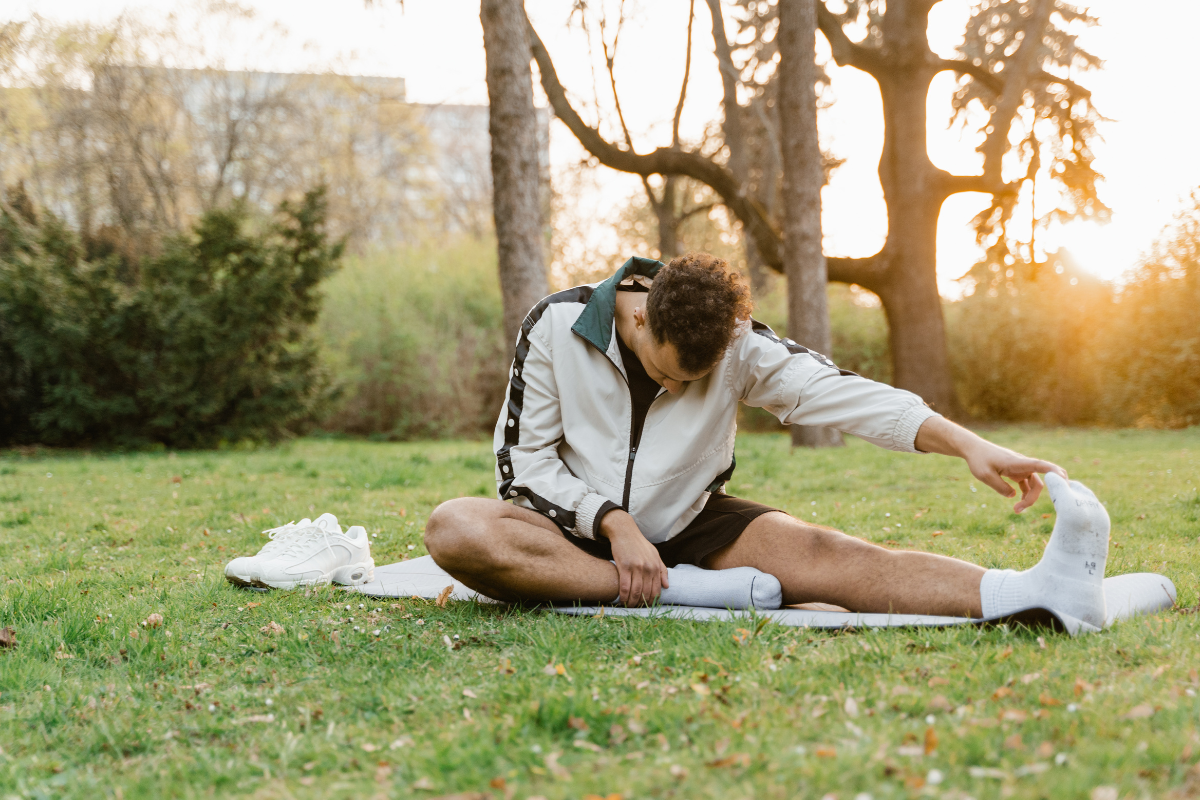
- Week 2: Easy walking and gentle stretching. Avoid sweating.
- Weeks 3–4: Light jogging, stationary cycling, and light resistance training.
- Week 4 and beyond: Full workout routine, including weightlifting and high-intensity training.
This timeline applies to most FUE patients. Your surgeon may adjust it depending on how your scalp is healing.
Week-by-Week Exercise Timeline After Hair Transplant
Days 1–7: Rest and Recovery
The first week is the most important phase of recovery. Newly placed grafts have not yet fully anchored into the scalp, and increased heart rate or blood pressure can cause bleeding at graft sites.
- Rest completely for the first three days
- From day four, short walks around your home or neighbourhood are acceptable
- Avoid the gym, heavy lifting, and any activity that significantly raises your heart rate
- Do not bend over, as this increases blood flow to the scalp and can worsen swelling
Think of this week as protecting your investment. A few quiet days now help ensure long-term results.
Week 2: Light Activity Only
By week two, grafts are beginning to secure themselves, but they remain vulnerable. Sweat and friction are the primary concerns during this stage.
- Easy walking and gentle stretching are safe
- Avoid activities that cause heavy sweating
- Stay out of public gyms, as shared equipment and humid environments increase infection risk
- Avoid bending, lifting, or straining
- Do not wear headbands, tight hats, or helmets during activity
If you feel restless, walking outdoors is the best option to stay active without compromising healing.


Weeks 3–4: Gradual Return to Exercise
By week three, most grafts are well established. You can begin easing back into moderate activity.
- Light jogging and stationary cycling are generally safe
- Light resistance training with moderate weights is acceptable
- Avoid exercises that place your head below your heart, such as deadlifts, bent-over rows, or yoga inversions
- Stop if you feel scalp tightness, soreness, or discomfort
- Continue to avoid contact sports
Progress gradually and listen to your body. If something feels off, scale back and allow more recovery time.
Week 4 and Beyond: Back to Normal
From week four onward, most patients can safely return to their full workout routine.
- Weightlifting, HIIT, running, and CrossFit are generally safe
- Swimming may be allowed once the scalp is fully healed. Always confirm with your surgeon before swimming, as chlorine, salt water, and bacteria can irritate healing skin
- Contact sports such as soccer, basketball, and martial arts should wait at least six weeks

Why You Need to Wait Before Exercising
Understanding the reasons behind these restrictions makes them easier to follow.
Increased blood pressure. Exercise raises heart rate and blood pressure, which can cause bleeding at graft sites in the early stages of healing.
Sweating. Sweat can carry bacteria into the tiny openings where grafts were placed. During the first 10 to 14 days, these micro-incisions are still closing.
Straining. Heavy lifting and intense exertion increase pressure in scalp blood vessels, often worsening swelling around the forehead and eyes.
Friction. Helmets, headbands, and even towels can catch on healing grafts and dislodge them before they are secure.
At Hair Transplant Centre Toronto, every patient receives a personalized aftercare plan with exercise guidelines tailored to their procedure and recovery.
Your Next Step
Most patients take one full week off from exercise, return to light activity within two weeks, and resume normal training by week four.
If you want help planning your procedure around your fitness routine, book a consultation with our team. We will create a recovery plan that fits your lifestyle and training goals.

Commonly Asked Questions
Avoid the gym for the first two weeks. From week three, light gym sessions are usually fine if you follow your surgeon’s instructions and avoid overexertion.
Heavy sweating in the first two weeks increases infection risk. Light perspiration from short walks is not a concern.
Light jogging is usually safe from week three. Full-pace running and sprinting can typically resume at week four.
Light weights are usually safe from week three. Heavy lifting and compound movements should wait until at least week four.
Swimming should be avoided for at least four weeks. Always get approval from your surgeon before swimming in pools, lakes, or the ocean.
Contact sports should be avoided for at least six weeks to reduce the risk of accidental head trauma.