Postpartum Hair Loss: Causes, Timeline, and When to See a Specialist
Written by our medical expert

Many new parents notice a sudden increase in hair shedding in the months following childbirth. This experience, known as postpartum hair loss, is common and is usually temporary. At the Hair Transplant Centre Toronto, questions about postpartum hair loss frequently arise during consultations, particularly from patients unsure whether their shedding is a normal hormonal response or a sign that requires medical attention. This article explains what causes postpartum hair loss, when it typically starts and ends, and when a specialist should be involved.
What Causes Postpartum Hair Loss?
During pregnancy, rising estrogen levels extend the growth phase of the hair cycle, known as the anagen phase. This is why many pregnant patients notice thicker, fuller hair throughout pregnancy. After delivery, estrogen levels drop rapidly, and a large number of hair follicles shift at once into the resting phase, called the telogen phase. Hairs in the resting phase eventually fall out, which produces the noticeable shedding associated with postpartum hair loss.
This process is sometimes referred to as postpartum telogen effluvium. It is a hormonal response rather than a sign of follicle damage, and it does not typically produce patchy or localized bald spots. Instead, shedding tends to be diffuse, affecting the whole scalp rather than one specific area.
Other factors can also influence hair health during this period. Patients who smoke may notice more pronounced shedding, and our article on whether smoking causes hair loss explains this connection further.

When Does Postpartum Hair Loss Start?
Postpartum hair loss typically begins around two to four months after delivery, once estrogen levels have dropped substantially from their peak during pregnancy. Some patients notice shedding a little earlier or later than this window, which is not unusual. Timing can vary depending on individual hormone levels, overall health, and factors such as thyroid function or nutrient status.

When Does Postpartum Hair Loss Stop?
Shedding associated with postpartum hair loss generally slows around six months after delivery, once estrogen levels have stabilized and the hair cycle returns to its typical rhythm. By this point, most patients notice fewer hairs falling out during washing and brushing than during the peak shedding period.
How Long Does Postpartum Hair Loss Last?
In total, postpartum hair loss usually lasts between six and twelve months, from the point at which shedding begins to the point at which hair density returns to its pre-pregnancy baseline. Some patients regain full density closer to the twelve-month mark, particularly if the postpartum period included significant sleep disruption, stress, or nutritional gaps, which can modestly extend the timeline.
Postpartum Hair Loss Treatment: What Actually Helps
There is no medical treatment required for most cases of postpartum hair loss, since the shedding resolves on its own as hormone levels stabilize. That said, a few supportive measures may help hair look and feel fuller while it grows back. Continuing a prenatal vitamin, or a supplement containing iron, biotin, and vitamin D, can support healthy hair growth, particularly if nutrient levels are low following pregnancy and breastfeeding.
Gentle hair care can also make a noticeable difference. A wide-toothed comb, a lightweight or volumizing shampoo, and lower heat settings on styling tools can reduce additional breakage during a period when hair is already shedding more than usual. Loose hairstyles are generally easier on the scalp than tight ponytails or braids, which can add tension to hair that is already fragile.
In rare cases where hair loss is more severe or does not improve within the expected timeframe, a dermatologist may discuss options such as topical minoxidil or platelet-rich plasma (PRP) therapy. These approaches are typically considered only after other causes of hair loss, such as thyroid conditions or iron deficiency, have been ruled out.
When to See a Specialist
Most postpartum hair loss does not require specialist care, but there are situations where a consultation is worthwhile. The following signs suggest it may be time to speak with a dermatologist rather than wait it out.
- Hair loss that continues past twelve months without improvement.
- Bald or thinning patches rather than an even, diffuse pattern of shedding.
- Hair loss accompanied by fatigue, weight changes, or other symptoms that could point to a thyroid condition.
- Noticeable scalp irritation, redness, or scaling alongside the hair loss.
A dermatologist can assess whether the hair loss is consistent with typical postpartum shedding or with an underlying condition, such as iron deficiency or a thyroid disorder, that may be contributing. This distinction matters because the next right step depends on the underlying cause.
In some cases, postpartum shedding can overlap with or reveal early androgenetic hair loss, particularly in patients with a family history of thinning hair. If a dermatologist determines that pattern hair loss is contributing to the changes you are noticing, options such as FUE hair transplant for women may be discussed as part of a longer-term plan.

Common Myths About Postpartum Hair Loss
A common misconception is that breastfeeding causes postpartum hair loss. Current evidence does not support this. Shedding is primarily driven by the drop in estrogen after delivery, not by breastfeeding itself, so switching to formula feeding is unlikely to alter the shedding pattern.
Another myth is that postpartum hair loss means permanent thinning. For the vast majority of patients, the shedding is temporary, and hair density returns to its previous state within about a year. Ongoing or worsening thinning beyond that point is the exception rather than the rule, and is the main reason to involve a specialist.
Your Next Step
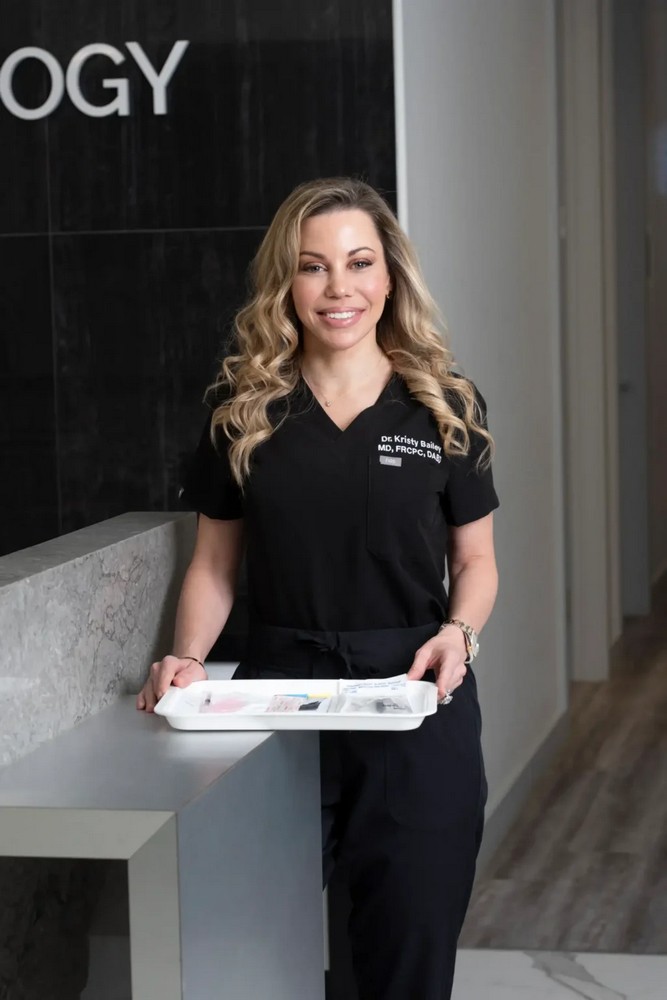
If you are noticing hair changes after pregnancy and are unsure whether they fall within the typical postpartum pattern, Dr. Kristy Bailey and the team at the Hair Transplant Centre Toronto are available to help you understand what is happening and what, if anything, should be done next. Contact us to schedule a consultation and get a clear picture of your hair health during this stage of recovery.

Commonly Asked Questions
Yes. In most cases, hair regrows fully once hormone levels stabilize, typically within about a year after delivery. Our patients typically see noticeable improvement in density well before the twelve-month mark.
No. Postpartum hair loss is a temporary, hormone-driven type of shedding known as telogen effluvium, while female pattern hair loss is a separate, typically permanent condition. We recommend a dermatologist assessment if shedding does not follow the usual postpartum timeline.
Continuing a prenatal vitamin or addressing specific deficiencies, such as low iron, may support hair health during this period. However, vitamins are unlikely to stop hormone-driven shedding entirely.
Many patients experience some degree of postpartum shedding after each pregnancy, though severity can vary. Some notice little change, while others see a more pronounced pattern.
Shedding that continues well past twelve months, or that appears in distinct bald patches rather than an even pattern, is worth discussing with a dermatologist. We recommend booking a consultation if you notice these signs.
Minoxidil is sometimes discussed for prolonged or more severe cases, but it is not appropriate during breastfeeding without medical guidance. A healthcare provider can advise on timing and suitability for individual circumstances.