How to Choose a Hair Transplant Clinic: What to Look For
Written by our medical expert

Choosing a hair transplant clinic is one of the most important decisions you will make during the hair restoration process. The quality of your result depends on more than the number of grafts placed. It depends on surgical planning, donor management, graft handling, hairline design, and the standard of care before, during, and after the procedure. At the Hair Transplant Centre Toronto, many patients come to us after comparing several providers. This guide explains what to look for in a clinic so you can make your decision based on the factors that actually affect your outcome.
Surgeon Qualifications and Medical Credentials
The physician’s qualifications should be one of the first things you verify when choosing a hair transplant clinic. Hair restoration is both a medical procedure and an aesthetic procedure. It requires surgical precision, an understanding of hair growth patterns, and the ability to design a result that will continue to look natural as the patient ages.
A qualified physician should have a recognized medical degree and training relevant to hair restoration surgery. Board certification in dermatology is imperative as this medical specialty involves scalp health, surgical technique, and aesthetic planning.

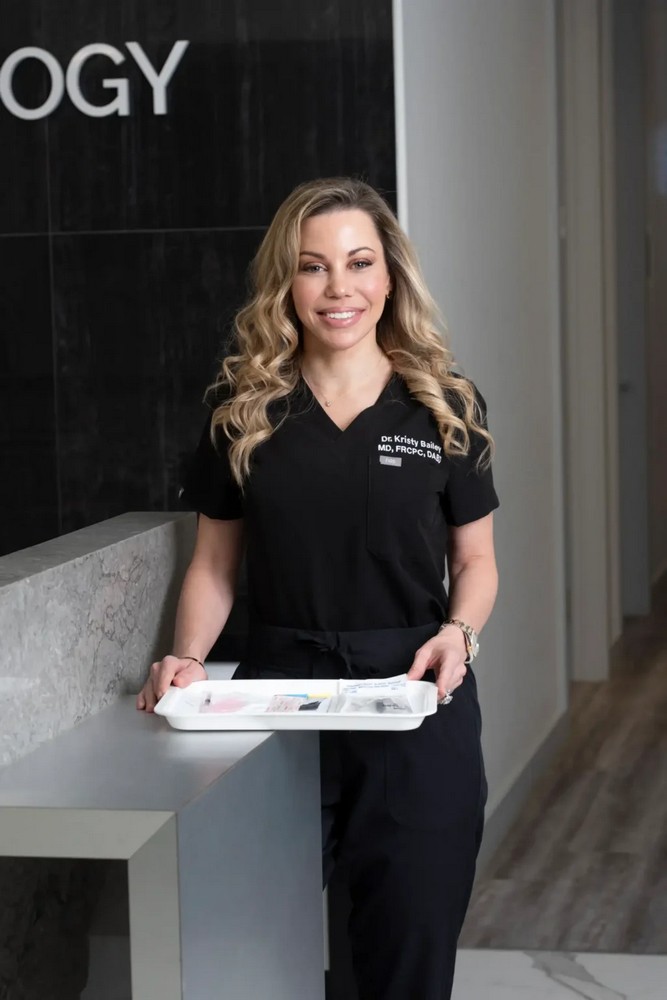
It is also important to ask if the physician will be present in the clinic during your transplant and what they are responsible for. Before moving forward, patients should know exactly which parts of the surgery the physician will be present for, which parts are performed by the surgeon and which are delegated to clinical staff. Many hair transplant clinics have no physician even on site, other clinics may have a physician on site or nearby but they are not involved indirectly in your hair transplant. Beware of clinics without a Dermatologist as this is the medical specialty of hair, nails, and skin. Your best chance of having a successful hair transplant is at a clinic with a Dermatologist who is on site and involved in the initial consultation and hair transplant.

Before and After Results
Reviewing a clinic’s before and after results is one of the clearest ways to assess the quality and consistency of their work. A strong gallery should show patients with different hair types, hair loss patterns, donor densities, and treatment areas.
When reviewing photos, look beyond the overall improvement. Pay close attention to hairline design, density distribution, graft direction, and whether the result looks natural under normal lighting. A well-designed hairline should complement the patient’s age, facial structure, and future hair loss risk. It should not look overly straight, overly dense, or disconnected from the surrounding native hair.
Consistency is also important. A small gallery with only a few ideal outcomes does not give enough information about the clinic’s typical standard of work. A reputable clinic should be able to show a range of results, including different stages of hair loss and different restoration goals.
The Consultation Process
The consultation process is one of the strongest indicators of clinical quality. When choosing a hair transplant clinic, the consultation should not feel rushed or sales-driven. It should include a detailed assessment of your hair loss pattern, donor area, scalp condition, age, medical history, and long-term goals.
During a proper consultation, the physician should assess whether your hair loss is stable or still progressing. This is especially important for younger patients, because performing surgery too early can create an unnatural result later if surrounding hair continues to thin. Our guide to the best age for a hair transplant explains why timing plays such an important role in long-term planning.
The consultation should also include donor area evaluation. The donor zone has a limited supply of usable follicles, so it needs to be managed carefully. Overharvesting can lead to visible thinning at the back or sides of the scalp and may limit future options.
Graft planning should also be discussed. You should understand approximately how many grafts may be needed, where they would be placed, and what level of density is realistic for the area being treated. For more detail, see our guide on how many grafts are needed for a hair transplant.
A reputable clinic will explain both the potential benefits and the limitations of surgery. If a clinic moves quickly toward booking without a detailed assessment, clear surgical plan, or discussion of long-term hair loss, that should be treated as a warning sign.
Technique and Technology
The technique used by a clinic can affect scarring, healing time, graft survival, and long-term donor management. This is why it is important to understand which methods are offered and why a specific technique is being recommended.
The two main extraction methods are FUE and FUT. FUE, or Follicular Unit Extraction, removes individual follicular units from the donor area using small circular punches. This avoids a linear scar and usually allows for a shorter recovery period. FUT, or Follicular Unit Transplantation, removes a strip of scalp from the donor area, which can allow for a no shave option but leaves a linear scar.
Many patients today choose an FUE hair transplant because it offers less visible scarring and a more flexible recovery. However, the right technique depends on the patient’s donor density, hair characteristics, scalp laxity, total graft requirement, and likelihood of needing future procedures.
A clinic should be able to explain why a particular method is recommended for your case. The recommendation should not be based only on what the clinic prefers to offer. It should be based on your anatomy, your hair loss pattern, and the long-term preservation of your donor area.
Technology can support the procedure, but it does not replace surgical judgment. Punch size, extraction pattern, graft handling, storage conditions, recipient site creation, and implantation technique all influence graft survival and the naturalness of the final result.
Post-Operative Support and Follow-Up
A hair transplant result develops over many months, so post-operative care is part of the treatment, not an afterthought. When choosing a hair transplant clinic, ask what kind of support is provided after surgery and how accessible the clinical team is during recovery.
Good post-operative care should include written aftercare instructions, scheduled follow-up appointments, and clear guidance on washing, swelling, scabbing, shedding, sun exposure, and activity restrictions. Patients should also know who to contact if they notice prolonged redness, discomfort, unexpected shedding, or concerns about graft healing.
Follow-up is also important because the early appearance of a transplant does not reflect the final result. Shedding, uneven early growth, and gradual thickening are normal parts of the process. A clinic that provides structured follow-up can help patients understand what is expected and identify concerns that require attention.
Red Flags When Choosing a Hair Transplant Clinic
Some warning signs may suggest that a clinic is more focused on booking procedures than achieving appropriate patient outcomes. These are the main red flags to watch for when choosing a hair transplant clinic.
Unclear surgical role disclosure. You should know who designs the hairline, extracts the grafts, creates the recipient sites, and places the grafts. If the clinic cannot clearly explain the surgeon’s role, this is a serious concern. Definitely ask which physician if any will be on site during the procedure.
Absent or unverifiable before and after results. A clinic should be able to show a range of patient outcomes. If the gallery is very small, lacks detail, or only shows ideal cases, it may be difficult to judge the consistency of the work.
Pricing that appears substantially below the typical market range. Hair transplant pricing can vary, but fees that are far below the typical market range may reflect compromises in staffing, surgical time, graft handling, or facility standards. Lower pricing is not automatically a problem, but it should be explained clearly.
One-size-fits-all recommendations. Be cautious if every patient is recommended the same hairline design. A proper surgical plan should be individualized based on donor supply, hair loss pattern, age, goals, and long-term risk of continued thinning.
Your Next Step
If you are considering a hair transplant and want a thorough, individualized consultation, contact us to schedule an assessment with Dr. Kristy Bailey at the Hair Transplant Centre Toronto. We will evaluate your hair loss pattern, donor area, candidacy, and long-term goals, then provide an honest recommendation without pressure.

Commonly Asked Questions
When choosing a hair transplant clinic, focus on surgeon credentials, surgical involvement, before and after results, consultation quality, technique selection, and post-operative support. A good clinic should explain the reasoning behind its recommendation and provide a plan that accounts for your long-term hair loss pattern. You need to make sure that the physician is on site during the entire duration of the transplant and that you will be seeing them throughout the day.
Look for a qualified surgeon, clear disclosure about who performs each stage of the procedure, a detailed consultation, and a strong gallery of patient results. A reputable hair transplant clinic should also assess your donor area carefully and explain what is realistic based on your hair type, density, and pattern of loss. You want to make sure you actually see the physician who will be doing your Hair transplant or who will be present during your transplant at your initial consultation.
Red flags include vague answers about who performs the surgery, a very limited before and after gallery, unusually low pricing without explanation, and treatment plans that feel generic rather than individualized.
When choosing a hair transplant clinic in Toronto, verify the surgeon’s credentials, review a range of before and after results, and make sure the consultation includes donor assessment, graft planning, and a long-term strategy. Post-operative support should also be included as part of the clinic’s standard care.
Yes. The technique affects scarring, recovery, graft survival, and donor preservation. A clinic should be able to explain whether an FUE hair transplant, FUT, or another approach is most appropriate based on your donor area, hair loss pattern, and restoration goals.
Speaking with at least two clinics is a reasonable approach. It gives you a better basis for comparing how each clinic assesses your candidacy, explains graft planning, and discusses long-term hair loss management.
Before and after results are important, but they should not be the only factor. Choosing the right hair transplant clinic also means evaluating surgeon credentials, consultation depth, surgical planning, technique selection, and post-operative follow-up.